

Growing Soil (Part 4)
- Board and Botanical

- Feb 13, 2021
- 7 min read
Organic Amendments- The Macronutrients
In previous posts we have discussed basic soil structures and function, issues surrounding improper soil amendments as well as basic soil testing concepts. In this post we will review organic amendments (Macronutrients) and discuss responsible soil amendment processes and organic amendments.
I realize that I may have been rather harsh in my opinions of non organic methods and amendments. Adding salt based fertilizers to your garden every year as an amendment is not the worst thing you can do to your soil (if rarely used and sparingly), I just do not think it is the best thing you can do for your soil. Synthetic fertilizers do have some "benefit" such as containing substantial amounts of nutrients that are usually in readily available forms (water soluble), and the ability to be isolated so that independent amendments can be easily added. While the textbooks label these as advantages of synthetic fertilizers, I suggest that they can be disadvantages simply due to our inappropriate use of them, and their relative ease of misuse. Having said that I would much rather see a gardener using a synthetic fertilizer, in conjunction with a soil test than utilizing something like glyphosate, i.e. Roundup, or a pesticide outside any integrated pest management (IPM) system.
I would like to discuss the use of organic based amendments for specific uses. I have to take a minute to point out that no matter what type of fertilizer used, inappropriate use of any type, organic or synthetic, is equally egregious and can cause significant harm to your soil life and the surrounding ecosystem.
There is no better amendment, in my opinion, than compost. Numerous research articles have been completed showing that almost every plant need can be met with a one to two inch application of compost on an annual basis. There are multiple benefits to using and making your own compost, but this is a topic for another time.
There is however, a need for isolated organic amendments for nutrient requirements based on soil testing confirmed deficiencies, plant observational needs, and significant depletion due to "heavy feeders." I would like to discuss organic options for isolated nutritional needs.
There are 17 recognized nutrients that are considered essential for plant growth with three of them being carbon, oxygen and hydrogen. These three elements are acquired from the air, leaving 14 elements remaining. Of these remaining 14 elements, six are considered macronutrients, and the other eight are considered micronutrients. There are three primary macronutrients, nitrogen (N), phosphorous (P), and potassium (K), and three secondary macronutrients calcium (Ca), magnesium (Mg), and sulfur (S). Generally speaking the primary macronutrients are typically applied as fertilizer (N-P-K) as they are usually in heavy demand by plants.
MACRONUTRIENTS
Most fertilizers will be labeled in a way to show N-P-K values (Nitrogen-Phosphorus-Potassium) as the principal ingredients unless they are specific for other macro/micro ingredients, such as Calcium (Ca), Magnesium (Mg), etc. The N-P-K is represented by a percentage value by volume. For example an amendment such as cotton seed meal with a N-P-K value of 6-3-2 will be 6% nitrogen, 3% phosphorus and 2% potassium. A one pound application of this product to your soil will add (1.0 lb x 12% (0.12) 0.12 pounds of nitrogen. More on this in a later post.
Nitrogen (N): Nitrogen exists in multiple forms but can only be used by plants in three forms (nitrate, ammonium/urea, and amino acids). Nitrogen is used by plants to form amino acids and proteins and is essential in forming structural and metabolic compounds.
Symptoms of nitrogen deficiency include yellowing and chlorosis of mature leaves and slower plant growth. Plants where the leaves are the primary harvest target (lettuce, spinach, etc.), or extremely heavy nitrogen uses like corn, may simply show stunted growth with little leaf composition.

Nitrogen along with phosphorus is a major contributor to contamination of surface and groundwater.
Organic nitrogen amendments include: COMPOST!, Blood meal, alfalfa meal , animal manures, cottonseed meal, feather meal, fish emulsion, soybean meal, and green manures (legumes) such as cover crops (clover, vetch, winter peas, etc.).
Phosphorus (P): Phosphorus is usually bound with another substance in our soil and is generally dependent upon soil pH. In soil with a pH above 7, phosphorus is generally bound to calcium, and in soils below 5.5 the binding agent is usually iron and aluminum. When the soil pH is between 5.5 and 7 the phosphorus "bind" isn't as strong and becomes more readily available for plant uptake, thus the reason most plants do well in a slightly acidic soil.
pH is an extremely important component when considering soil amendments. There is no better example than when considering phospoorus. A soil test can show P off the scale (hopefully it never does) but unless the pH is in an appropriate range, the P may not be in an available form for the plant to use.
Phosphorus is the primary energy carrier in the plant cell and is vital to maintaining the cell wall membrane. Phosphorus also assists to regulate many enzyme activities.
Symptoms of phosphorus deficiency include abnormally dark green or purple leaves and stunted root growth as evidenced by an increased root:shoot ratio. Phosphorus toxicity can also interfere with the iron that is available to the plant as well as minimizing the uptake of copper and zinc. High phosphorus concentrations in soil will decrease the mycorrhizal (Fungi) growth, thus inhibiting the symbiotic relationship that creates healthy plants that produce more fruit.

Organic amendments of phosphorus include COMPOST!, animal manures (cow, horse, chicken, rabbit, goat), bone meal, and mushroom compost.
Phosphorus is more likely to be bound to soil elements than nitrogen as it is not as freely exchanged through the atmosphere. Because of this, phosphorus is likely more of a contributor to water contamination and algae blooms due to soil runoff into our streams and lakes, and ultimately larger bodies of water such as the Chesapeake Bay. It is in only the rarest of circumstances that phosphorus is typically lacking and should be amended carefully.
Potassium: Potassium is highly bound to soil elements unlike nitrogen. Plants take up more potassium comparatively speaking, than other nutrients, other than nitrogen. Plant tissue generally shows a ratio of N:K as 1:1. Vital functions of potassium include plant metabolic activity via regulating water status and the opening and closing of the stoma. Potassium is also importance in plant carbohydrate production as well as cellulose formation.
Symptoms of potassium deficiency are rare due to the high mobility in the plant itself. Some signs of low potassium would include yellowing of leaf edges and eventual necrosis called scorch.

Generally speaking there is no potassium toxicity to plants, however overabundance of potassium can lead to reduction in the availability of magnesium and calcium, and disturb the biological activity of the soil.
Organic sources of potassium include: COMPOST!, greensand, kelp, wood ash, tobacco stem, and soybean meal.
Sulfur: Sulfur is found mostly in organic form, rather than mineral. Sulfur is utilized by the plant in amino acids, protein, vitamins, and other compounds specific to giving distinct vegetable flavor i.e. onions and mustards.
Symptoms of sulfur deficiency are similar to nitrogen (yellowing of leaves, although sulfur will be apparent on younger leaves while nitrogen typically presents on older leaves). Generally speaking there is no sulfur toxicity in plants as it is immobile once incorporated into plant tissue.

Sulfur is not commonly added to soil as an amendment outside of incidental additions via compost, etc., however elemental sulfur is a key organic amendment when lowering soil pH. Sulfur takes several months to reach the desired effect on lowering soil pH, so it must be used several months in advance of planting.
Organic sources of sulfur include: COMPOST!, gypsum or elemental sulfur.
Magnesium: Magnesium is often found in abundance in soils, but is not generally associated with organic matter as it is typically in mineral form. Eventually it is weathered and made available to plants and is taken up by plant roots.
Magnesium is an important component of the chlorophyll process. Magnesium deficiency typically presents as interveinal chlorosis, or a yellowing of the space between the veins of the leaf, while the veins remain green. Generally there is no magnesium toxicity.
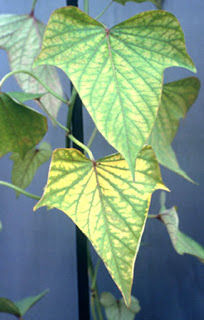
Organic sources of magnesium include: COMPOST!, epsom salts, and in trace amounts found in fish meal, green sand and dolomitic limestone.
Calcium: Calcium comes from calcium containing minerals such as apatites, gypsum, and carbonates. It is important in cell wall integrity and membrane stability.
Early signs of calcium deficiency may be noted as small distorted young leaves with curled tips as well as stunting of shoots and roots. Calcium deficiencies noted as late signs generally present in the nightshade family specifically in peppers, tomatoes and watermelon, causing blossom end rot (BER). Calcium toxicity in the plant interferes with magnesium and potassium uptake, mimicking Mg and K deficiencies. Calcium overuse in soil can interfere with phosphorus, manganese, boron, zinc uptake as well as increasing soil pH.
A note regarding (BER). I grow a fair number of nightshades (tomatoes and peppers), and hopefully you will consider purchasing a few seed packs from my store (sorry for the shameless plug). BER is a fairly late sign of Ca deficiency and can be devistating to the gardener. I manage this in two ways, first of which is being proactive. I add crushed eggshells to my transplant mix and will suppliment with a product called Tomato Tone for a few feeding early on until I am sure there is no threat. If I do notice the early stages of BER I will mix gypsum and water for a quick drink and hopefully prevent any further damage. I recently started using gypsum and have become a fan, I think it will soon replace my use of Tomatoe Tone due to its ease of use, and lower cost.

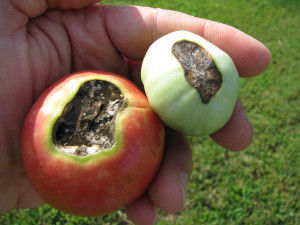
Organic sources of calcium include: COMPOST!, crushed eggshells, gypsum, and dolomite lime.
So that is an overview of the macronutrients important in growing healthy soils, and ultimately happy plants. Again, my opinion is that compost should be considered an essential amendment that should be added to your garden each year, specific supplements should be added only when needed as observed by symptoms, soil testing or planting of known heavy feeders of a particular nutrient.
Up next: Micronutrients
Sources other than embedded into links in the blog body:
Pennsylvania State Extension
http://pss.uvm.edu/ppp/pubs/oh34.htm
The Maryland Master Gardener Handbook
The Self-Sufficient Life and How to Live It (Seymour)
The Vegetable Gardeners Bible (Smith)
The Truth about Garden Remedies (Gilman)
What's Wrong With My Vegetable Garden? (Deardorff & Wadsworth)
What's Wrong With My Fruit Garden? (Deardorff & Wadsworth)
https://www.ghorganics.com/page32.html
http://www.cias.wisc.edu/wp-content/uploads/2008/07/soilorgmtr.pdf


Comments